MISTRAL: Triaxial Apparatus for Extreme Chemo-Hydro-Mechanics and In-situ X-ray Imaging
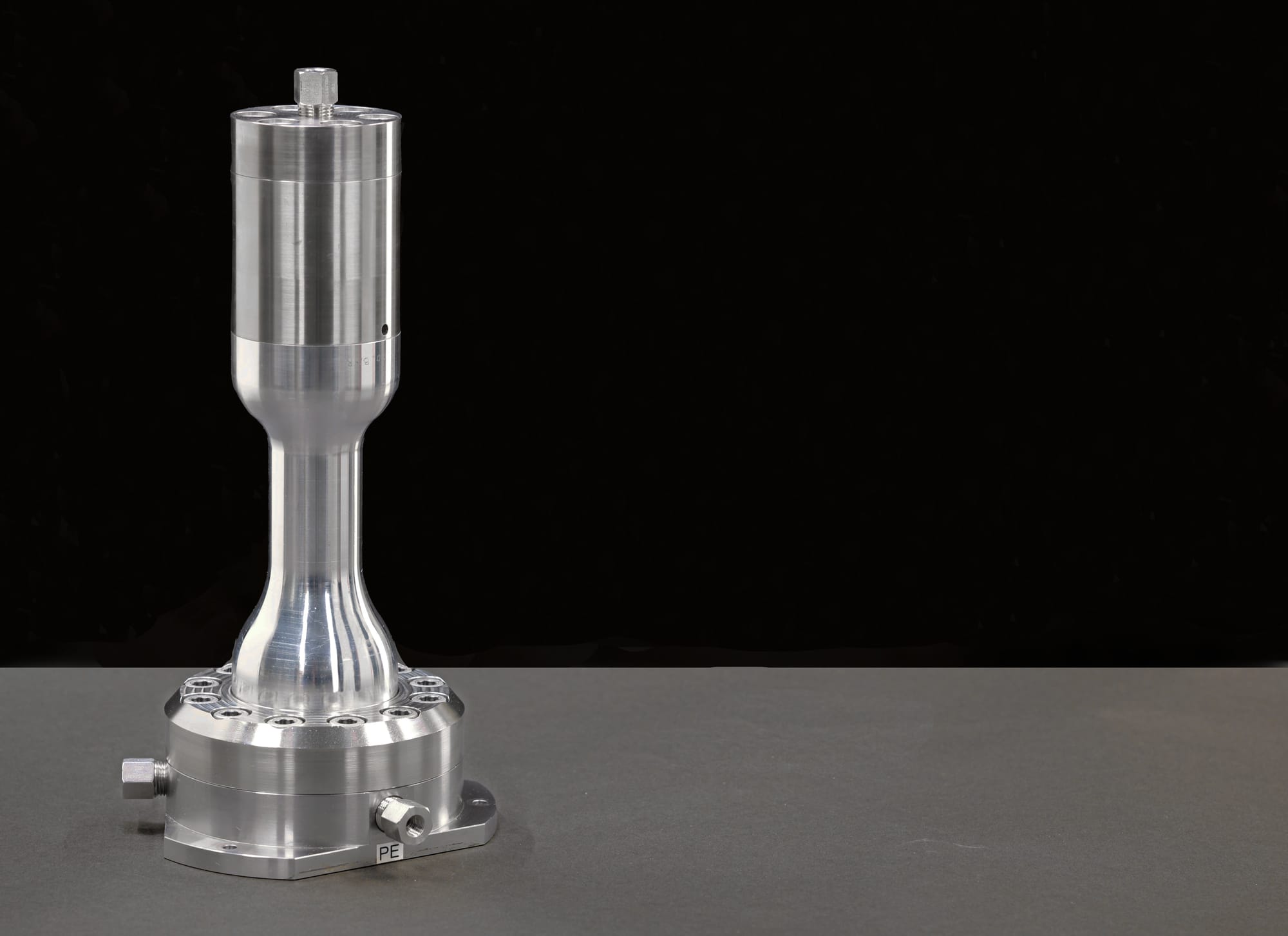
Triaxial compression testing is a widely used method for investigating the elastic and inelastic responses of geomaterials. However, in-situ characterization of the process leading to failure at both the specimen and grain scales during such experiments, particularly under elevated confining pressures and reactive environments relevant to geological reservoirs and geotechnology, has remained scarce. This limitation has hindered the advancement of a mechanistic understanding of deformation and failure in geomaterials. To address this gap, we developed a novel high-pressure triaxial apparatus, termed MISTRAL. MISTRAL is a miniaturized triaxial device capable of applying confining pressures relevant to reservoir conditions (up to 100 MPa) while allowing deviatoric loading up to 400 MPa. MISTRAL allows the injection of both reactive fluids (pH 5-9) and carbon dioxide (gas and supercritical) under a pressure of up to 100 MPa. The device is uniquely designed to accommodate \textit{in-situ} x-ray imaging through laboratory sources and operando permeability quantification for the real-time investigation of hydraulic, chemical, and deformation reactions at both the sample and grain scales. In this work, we introduce the design and capabilities of MISTRAL, along with results from its deployment in laboratory environments. The executive drawings of MISTRAL are fully provided to enable reproducibility and deployment. An experiment on a standard sandstone material subjected to confining pressure of 100 MPa demonstrates MISTRAL’s capacity to resolve micromechanical responses under reservoir conditions. The findings underscore the utility of the instrument in advancing our understanding of deformation processes in geomaterials, with implications for both natural and engineered systems.